
Recovering from an injury can be a slow and frustrating process, but physiotherapy clinics help make that journey smoother. These clinics focus on restoring movement, reducing pain, and improving function without surgery or long-term medication. Whether you have experienced a sports injury, workplace accident, or post-surgery limitations, physiotherapists are trained to develop customized plans that support healing. Using hands-on therapy, guided exercises, and professional care, physiotherapy services offer a trusted path to full recovery.
How Physiotherapy Supports Injury Recovery
Physiotherapy focuses on healing the body through movement, stretching, and targeted treatments. It is often recommended for those with joint, muscle, ligament, or nerve injuries. The main goal is to help the body regain strength, flexibility, and function after damage or trauma.
Key benefits of physiotherapy for injury rehabilitation include:
- Reduced pain and inflammation through safe, non-invasive techniques
- Improved mobility by strengthening muscles and increasing joint flexibility
- Faster recovery times due to guided, progressive treatment
- Prevention of long-term damage by correcting movement patterns early
- Better balance and posture, reducing the risk of future injuries
Conditions Commonly Treated by Physiotherapists
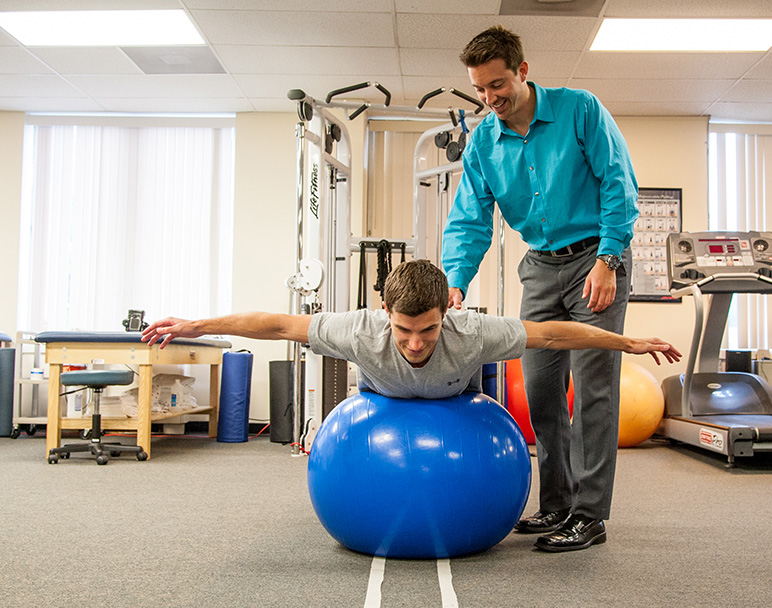
Physiotherapy clinics treat a wide variety of injuries and conditions. Therapists use proven methods to help patients manage symptoms and restore physical function safely. Treatment is adapted to suit each person’s condition, age, and lifestyle.
Common issues treated include:
- Muscle strains and ligament sprains
- Fracture rehabilitation
- Post-surgery recovery
- Sports injuries e.g., ACL tears, rotator cuff injuries
- Lower back and neck pain
- Tendonitis and joint pain
- Balance or mobility challenges
What Happens During a Physiotherapy Session?
Each session begins with an assessment to understand your injury, movement issues, and goals. A physiotherapist then designs a treatment plan tailored to your needs. Progress is tracked regularly, and exercises are updated as you recover.
Typical treatment methods include:
- Manual therapy hands-on massage or joint mobilization
- Stretching and strengthening exercises
- Electrical stimulation or ultrasound therapy
- Heat or cold therapy
- Posture and movement correction techniques
- Home exercise programs for continued recovery
Sessions are structured to gradually restore function, minimize pain, and improve day-to-day performance.
Why Choose Physiotherapy Clinics for Rehabilitation?
Physiotherapy offers a trusted, evidence-based way to recover from injury. It avoids strong medications or unnecessary procedures, instead using natural movement and professional guidance to heal the body. Many people find it helps them return to normal activities more quickly and confidently.
Key takeaways:
- Physiotherapy is safe, effective, and customized to your injury
- Clinics offer professional support for all stages of recovery
- Techniques are natural and focused on long-term wellness
- Early treatment helps prevent further damage or delay
- Sessions improve strength, movement, and quality of life
By choosing physiotherapy clinics, you get expert help to manage pain, build strength, and return to your daily routine. Trusted rehabilitation services ensure your recovery is steady, supported, and successful.