
Climate controlled warehouse environments preserving sensitive products reliably
Sensitive products require more than basic storage. Temperature shifts, humidity changes, and uncontrolled conditions can quietly damage inventory long before problems are visible. A climate controlled warehouse creates a stable environment that protects product integrity and supports consistent quality. This type of storage is especially important for items that react to environmental changes over time.
Many businesses choose a climate-controlled warehouse when product stability becomes a priority rather than an afterthought. Reliable environmental control reduces risk and helps maintain confidence across the supply chain. When conditions are stable, planning becomes easier and losses caused by spoilage or degradation are minimized.
Temperature stability across storage zones
Temperature stability is the core function of climate controlled environments. Instead of fluctuating conditions, storage zones maintain consistent ranges designed to protect sensitive goods. This stability prevents stress on products that can occur with repeated warming and cooling cycles.
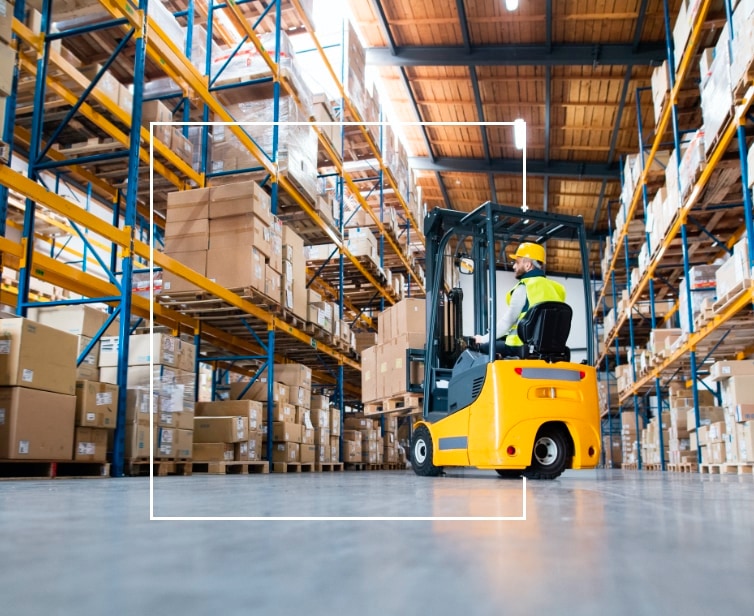
Stable zones also support operational predictability. Teams know that products stored today will remain in the same condition tomorrow. This reliability helps businesses plan inventory movement without worrying about environmental damage.
Key benefits of stable temperature control include
- reduced risk of product deterioration
- improved consistency across batches
- longer usable storage periods
- greater confidence in inventory quality
Protection for delicate inventory types
Some products are more vulnerable than others. Delicate inventory types require extra care to avoid changes in texture performance or usability. Climate controlled environments provide that protection by minimizing exposure to harmful conditions.
Protection extends beyond temperature. Controlled airflow and humidity management help prevent condensation or drying that could damage sensitive items. This level of care supports consistent outcomes across storage and fulfillment.
Compliance with storage standards
Many industries require specific storage conditions to meet internal or regulatory standards. Climate controlled warehouses help businesses stay aligned with these expectations. Consistent conditions make compliance easier to manage and document.
Compliance also supports trust. Customers and partners feel reassured knowing products are stored according to defined standards. This trust strengthens long term relationships and reduces disputes related to product quality.
Minimized risk of spoilage
Spoilage often occurs gradually and goes unnoticed until products are no longer usable. Climate control reduces this risk by maintaining conditions that slow or prevent degradation. This protection directly impacts cost control.
Minimizing spoilage leads to
- lower inventory loss
- reduced waste
- better inventory turnover
- improved profit margins
When spoilage is controlled, inventory becomes a more reliable asset rather than a liability.
Reliable monitoring and consistency
Climate controlled warehouses rely on monitoring systems to maintain consistency. Continuous monitoring ensures conditions remain within set ranges. When deviations occur, adjustments can be made quickly before damage happens.
Monitoring also provides transparency. Businesses gain insight into how inventory is stored over time. This visibility supports accountability and ongoing improvement in storage practices.
Climate controlled warehouse environments play a critical role in preserving sensitive products reliably. Through temperature stability, protection for delicate items, compliance support, spoilage reduction, and consistent monitoring, these environments reduce risk and uncertainty. When storage conditions are controlled and dependable, businesses protect product quality and maintain confidence throughout the supply chain. This reliability supports smoother operations and long term inventory value.