
Fixed speed compressors are essential tools in many industrial applications where steady airflow is crucial for maintaining operational efficiency. Unlike variable speed compressors, which adjust their output based on the demands of the system, fixed speed compressors operate at a constant speed, delivering a consistent volume of air. This predictability makes them ideal for environments where the air demand does not fluctuate significantly, such as in manufacturing processes, pneumatic systems, or cooling operations. The primary benefit of fixed speed compressors is their simplicity and reliability, which can lead to cost savings in specific applications where fluctuations in airflow are not required. By providing a continuous flow of compressed air, these systems help prevent the operational disruptions that might arise from air shortages or inconsistent pressure levels. One of the key advantages of using fixed speed compressors is their low initial cost and ease of installation. Since they do not need the complex control systems required by variable speed models, they are often more affordable and can be up and running quickly.
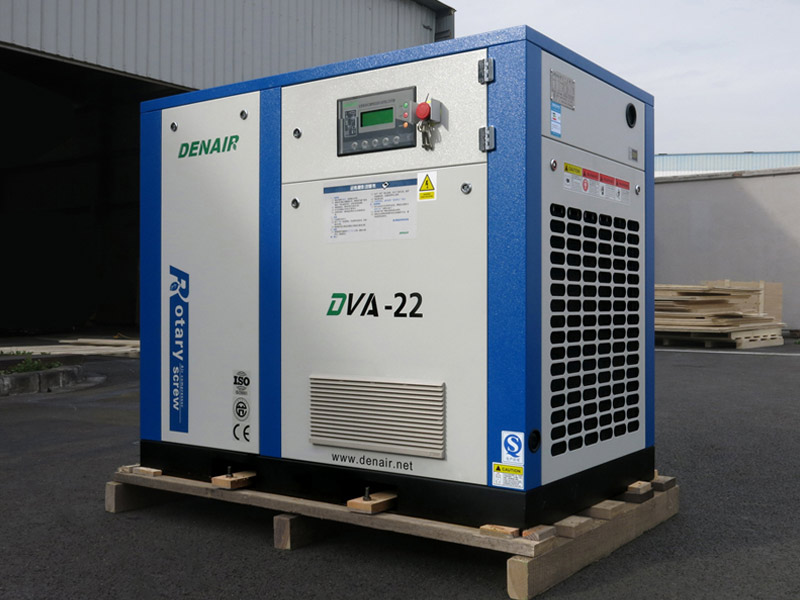
Their mechanical simplicity means that they tend to require less maintenance over time as well, making them an attractive option for businesses looking to minimize operating expenses. The absence of the need for variable-speed drive systems and sensors reduces the likelihood of technical failures, which further enhances the longevity and reliability of these compressors. In environments where the demand for air is relatively steady and predictable, fixed speed compressors offer a durable and economical solution. Furthermore, Fixed Speed compressors are highly efficient when the demand for compressed air remains stable. Operating at a constant speed allows them to work at their optimal efficiency point, meaning they can maintain consistent performance without wasting energy. This is especially important in systems where energy consumption is a significant concern, as the compressor’s energy use will be predictable and generally more efficient than a variable speed compressor that constantly adjusts its power. Over time, this can lead to significant cost savings on energy bills, especially in large-scale operations where compressed air is used continuously throughout the day.
Despite their efficiency in steady-state conditions, fixed speed compressors may not be the best choice for systems with varying air demands. In such cases, a variable speed compressor would typically offer better energy savings, as it adjusts its output according to fluctuations in demand. However, in situations where the need for compressed air is predictable and consistent, fixed speed compressors offer a more straightforward and cost-effective solution. Another benefit of fixed speed compressors is their ability to function optimally in environments that demand constant, uninterrupted airflow. Industries that rely on precise, consistent air pressure such as those in the food and beverage industry or pharmaceutical manufacturing can greatly benefit from these compressors. By ensuring a steady supply of compressed air, fixed speed compressors help maintain product quality and prevent interruptions that might otherwise lead to costly downtime. In summary, fixed speed compressors provide a reliable and efficient solution in applications where the demand for compressed air is steady and unchanging.